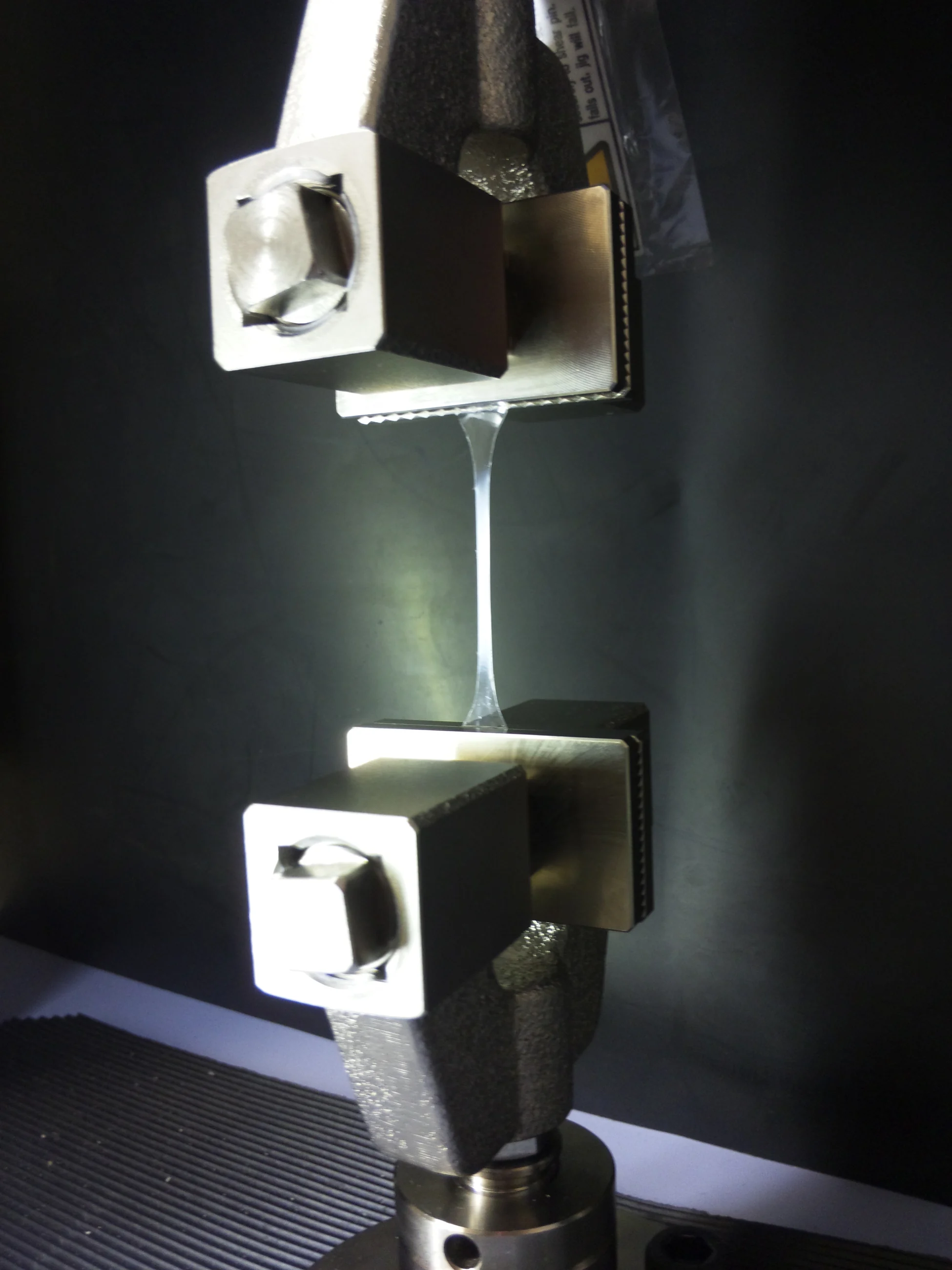
Qualifying an Alternative Material Without Disrupting Production
A risk-based approach to screening, processing trials, comparative testing and production approval when changing material.
Read insightDiscover
Material selection, compound development, processing, testing, qualification and supply.
Explore insights
13 articles across material change, compounds, processing, testing and qualification.
A risk-based approach to screening, processing trials, comparative testing and production approval when changing material.
Read insight
A replacement material does not need to duplicate every datasheet value. It needs to satisfy the requirements controlling part function, processing and approval.
Read insight
A compressed qualification timeline still needs clear technical boundaries. Protect non-negotiable requirements, screen quickly and match evidence to risk.
Read insight
A useful compound specification translates application constraints into measurable targets without prescribing formulation details that do not control the outcome.
Read insight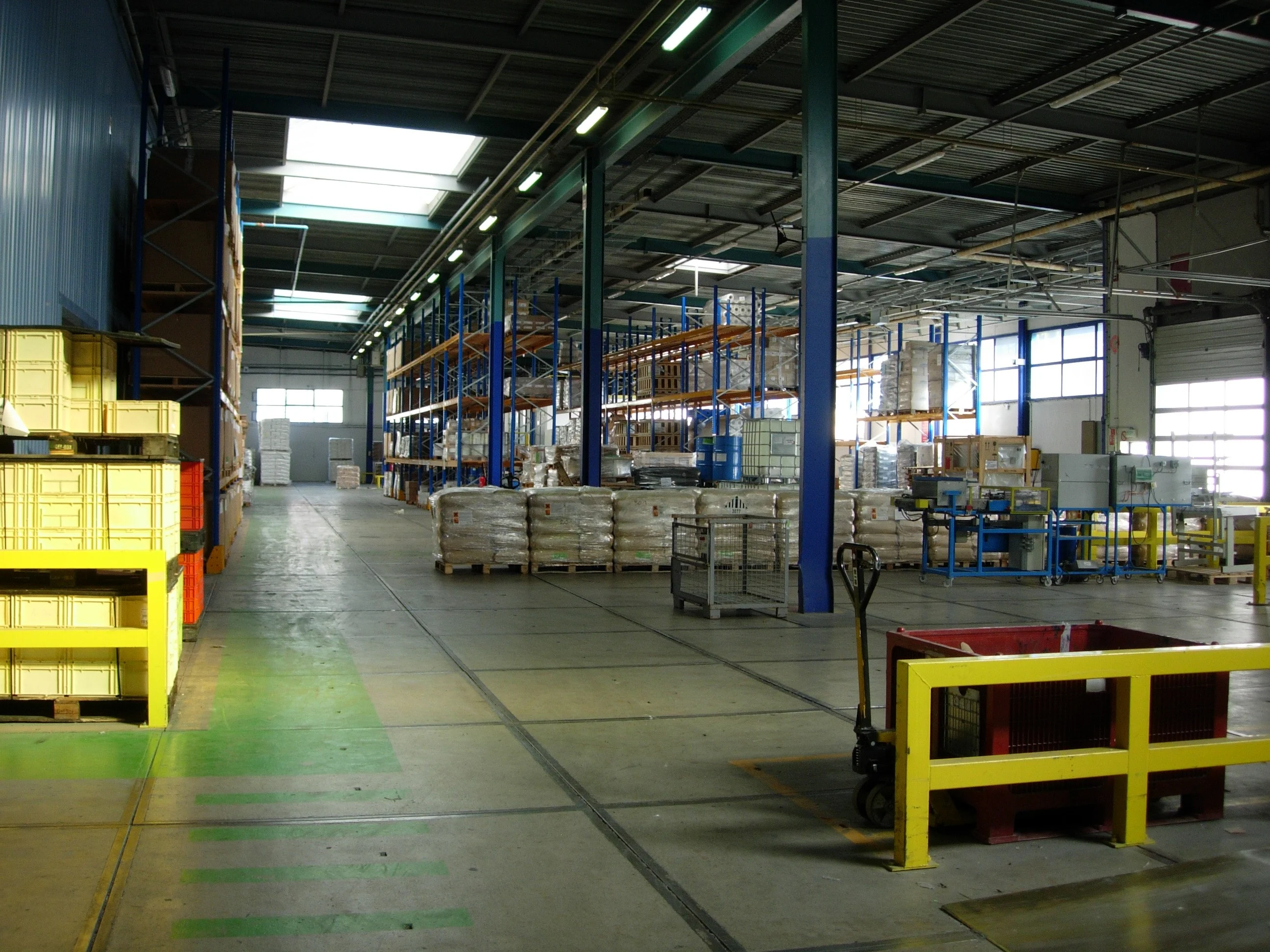
Reinforcement can improve stiffness and strength while changing flow, shrinkage, anisotropy, surface, wear and dimensional behavior.
Read insight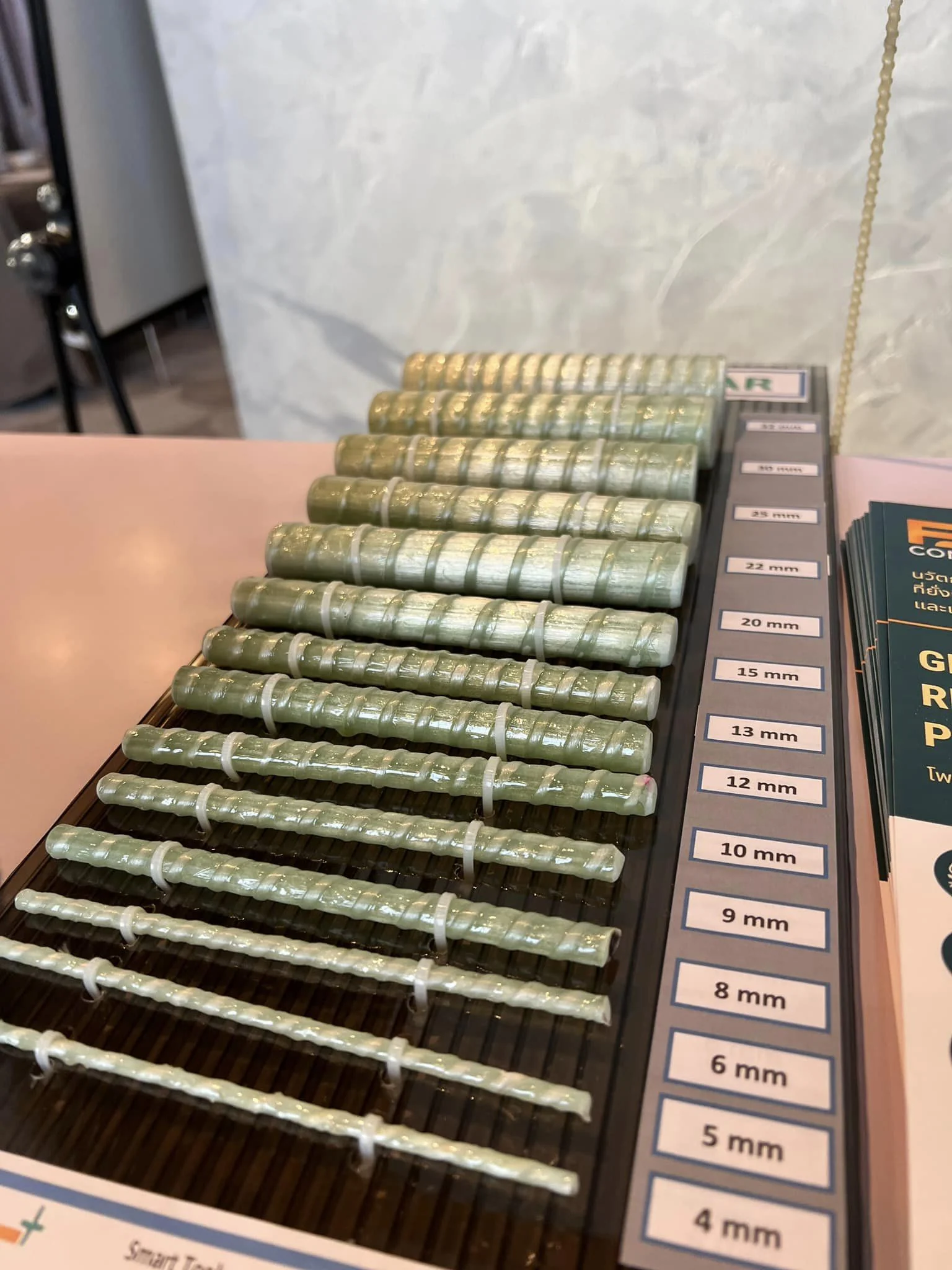
A flammability classification is an important requirement, but it does not define the complete mechanical, electrical, processing or end-use performance of a compound.
Read insight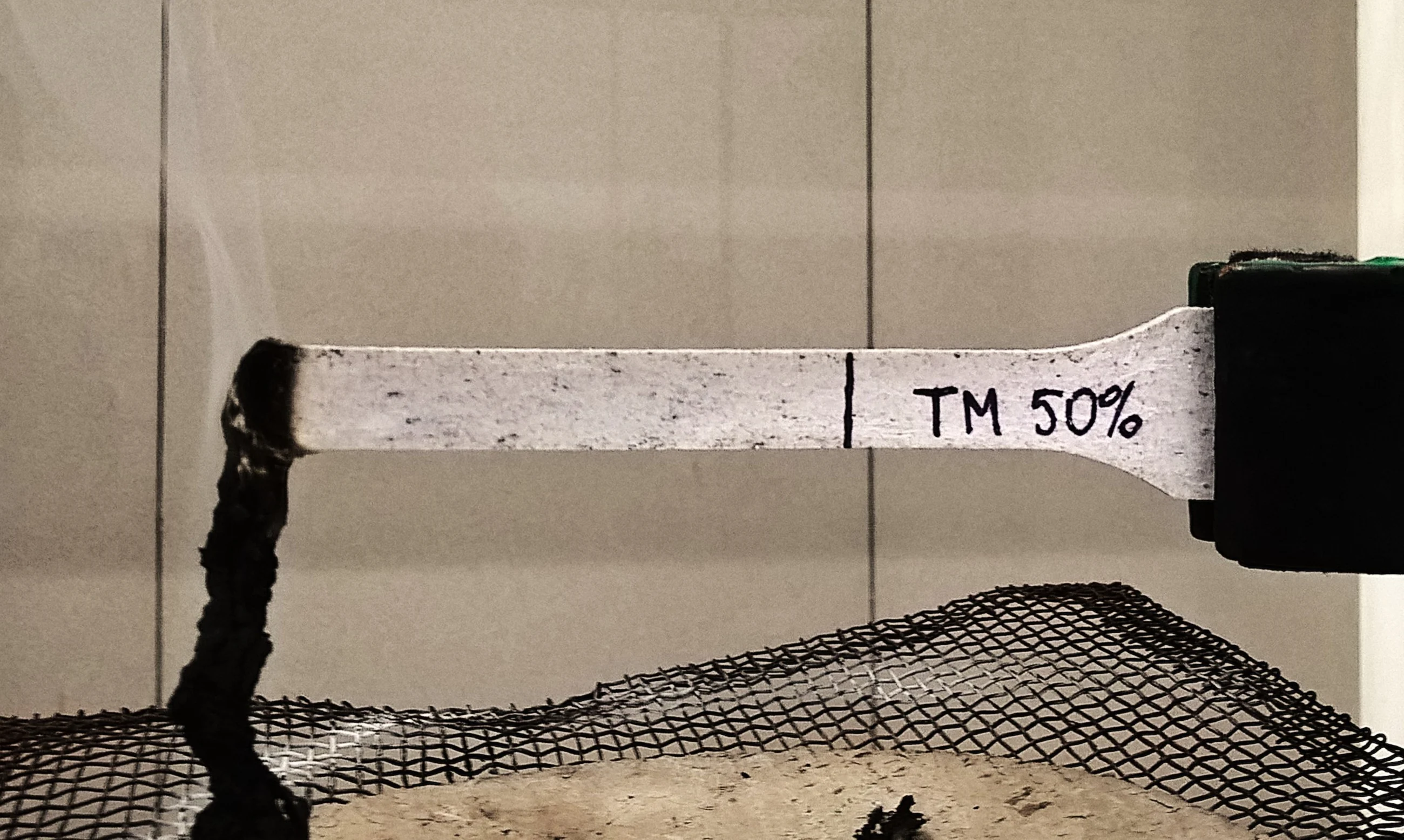
Before changing resin or compound, separate material variation from drying, thermal history, shear, pressure, cooling and equipment effects.
Read insight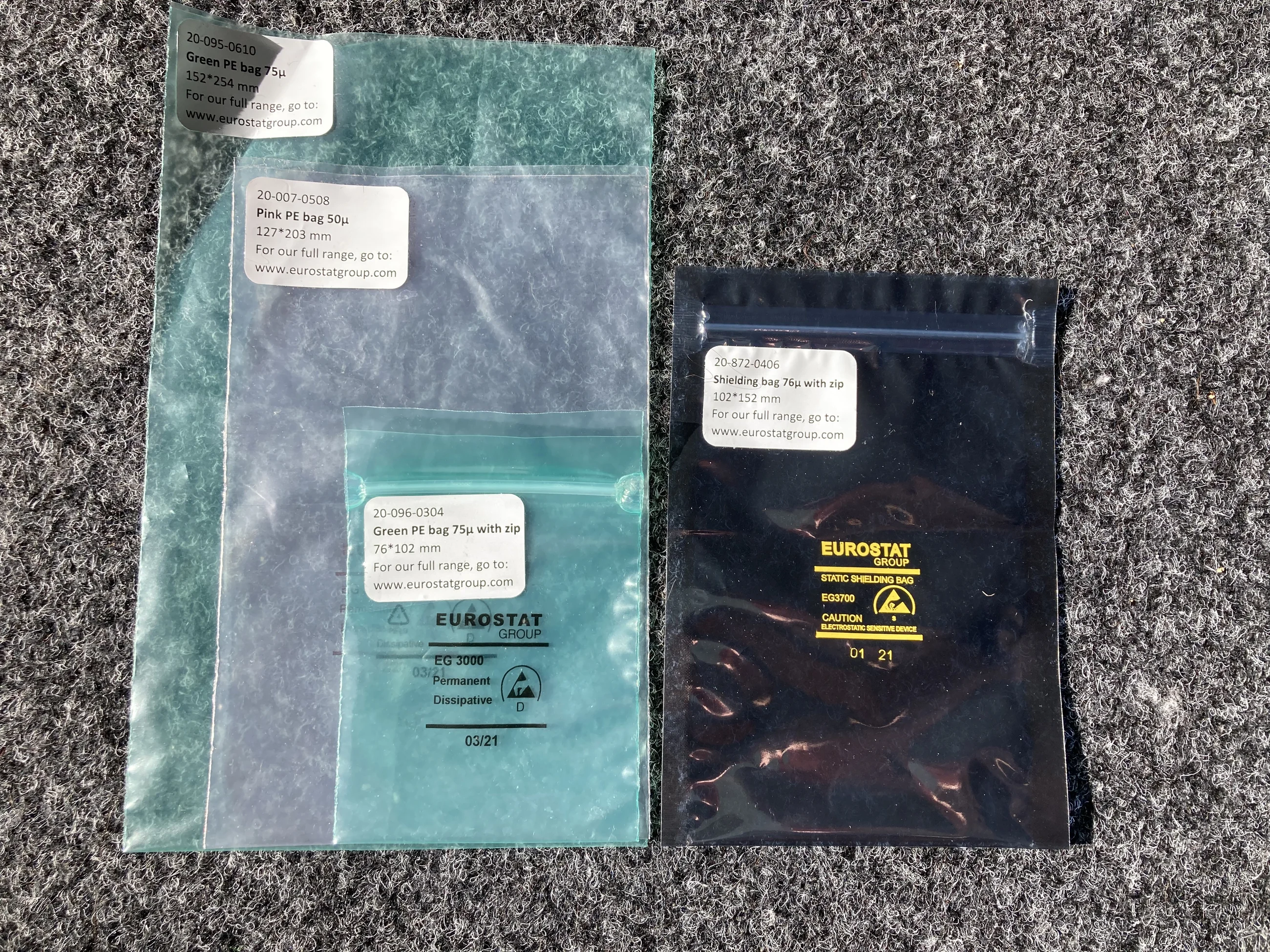
Dimensional problems rarely belong to one variable. Material behavior, fiber orientation, geometry, gating, packing and cooling interact.
Read insight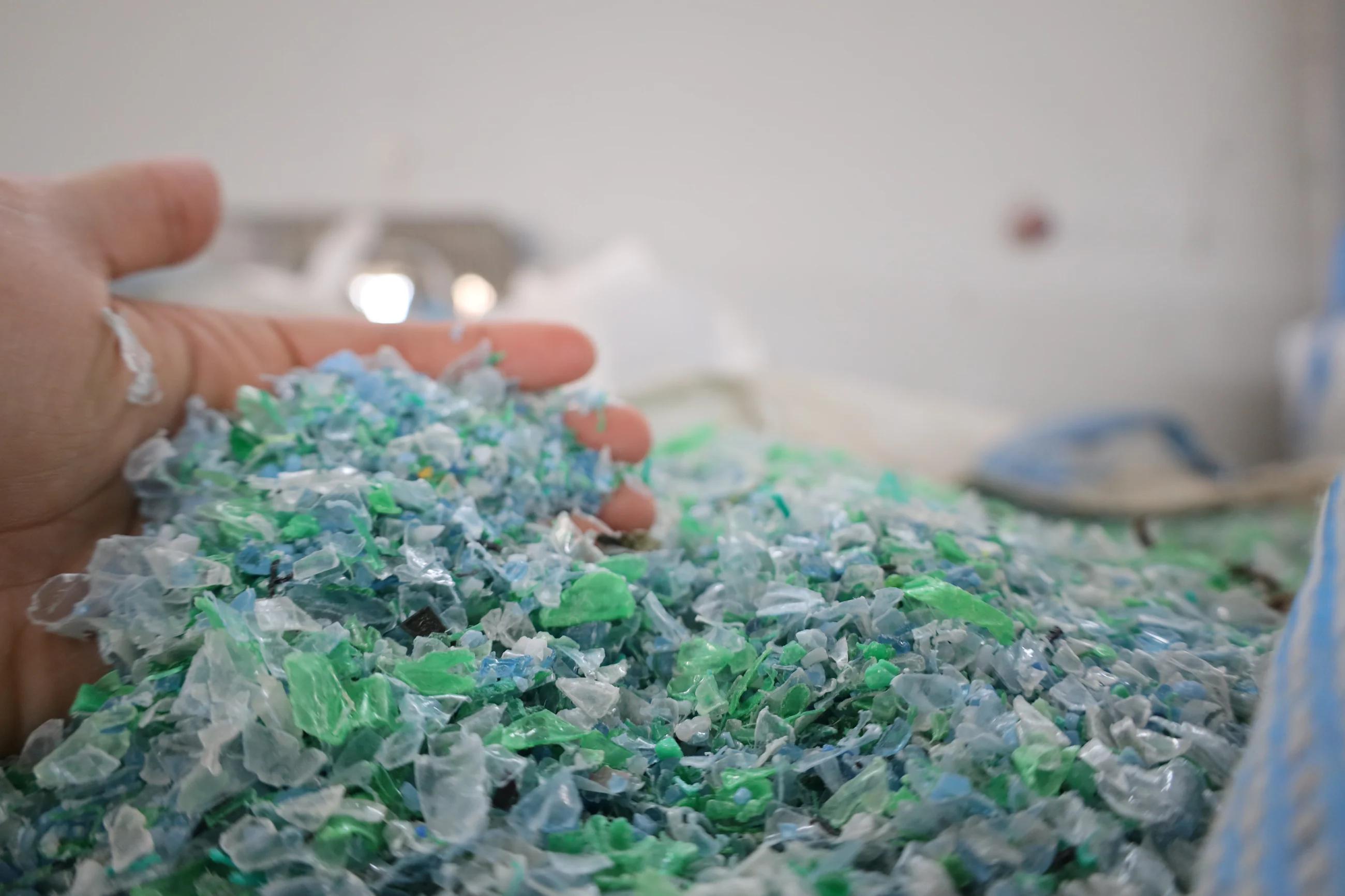
Failure analysis becomes more efficient when fracture, deformation, chemical attack, contamination and environmental history are characterized before causes are assigned.
Read insight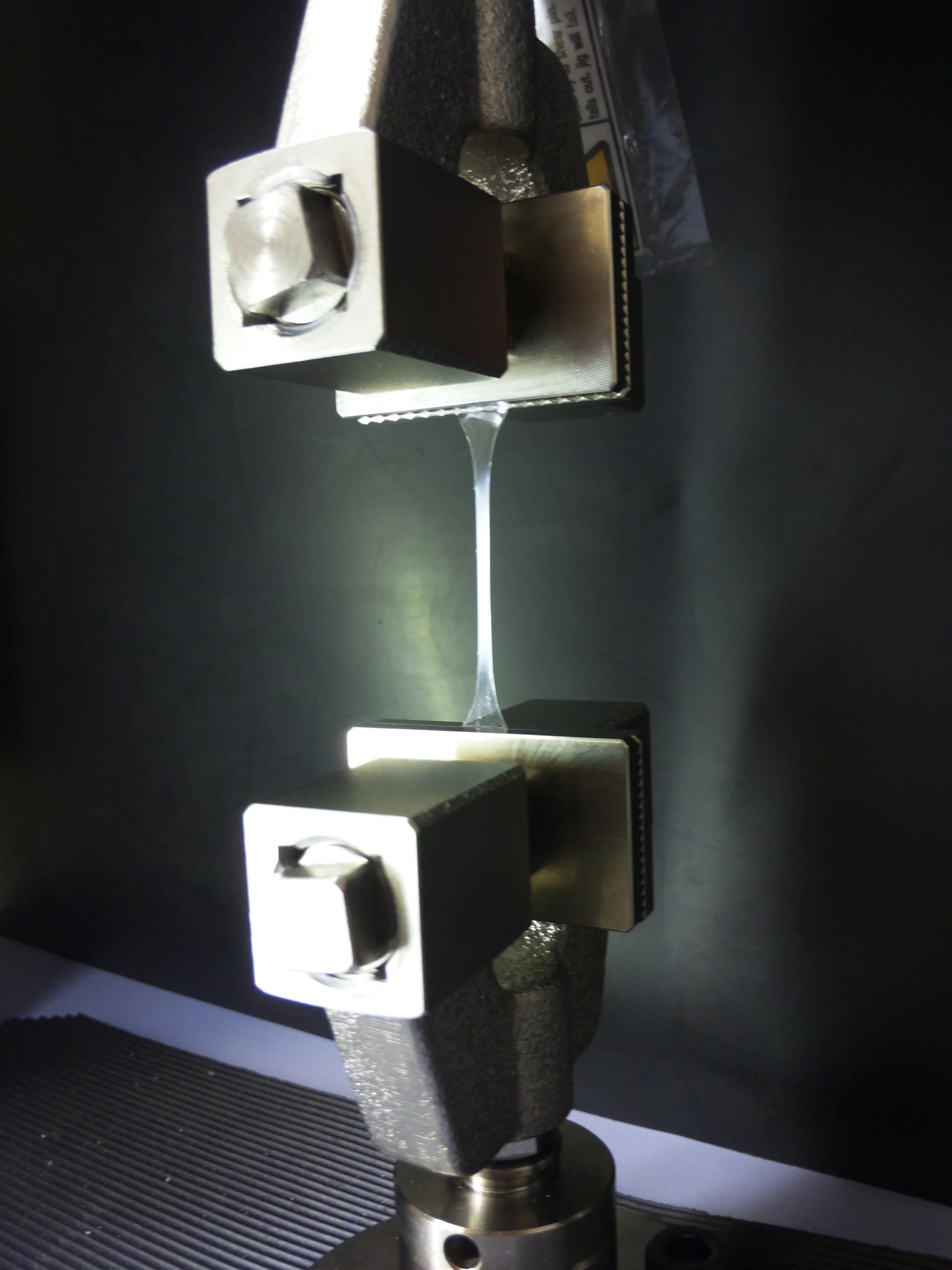
A qualification plan should answer the technical questions that control the decision, not reproduce every property available on a material datasheet.
Read insight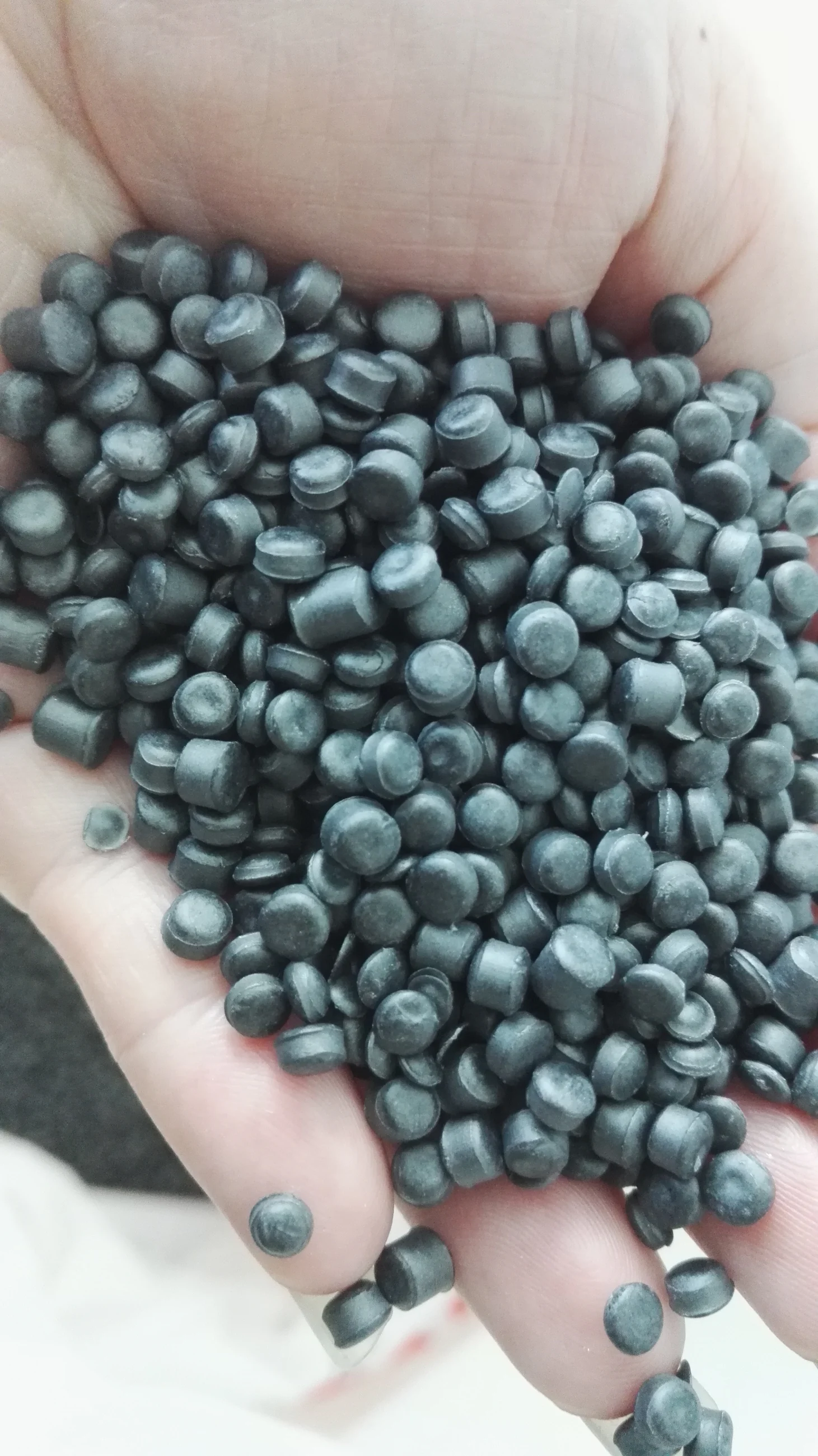
Accelerated exposure can compare material changes and estimate endurance under defined assumptions. It should not be converted casually into a universal service-life claim.
Read insight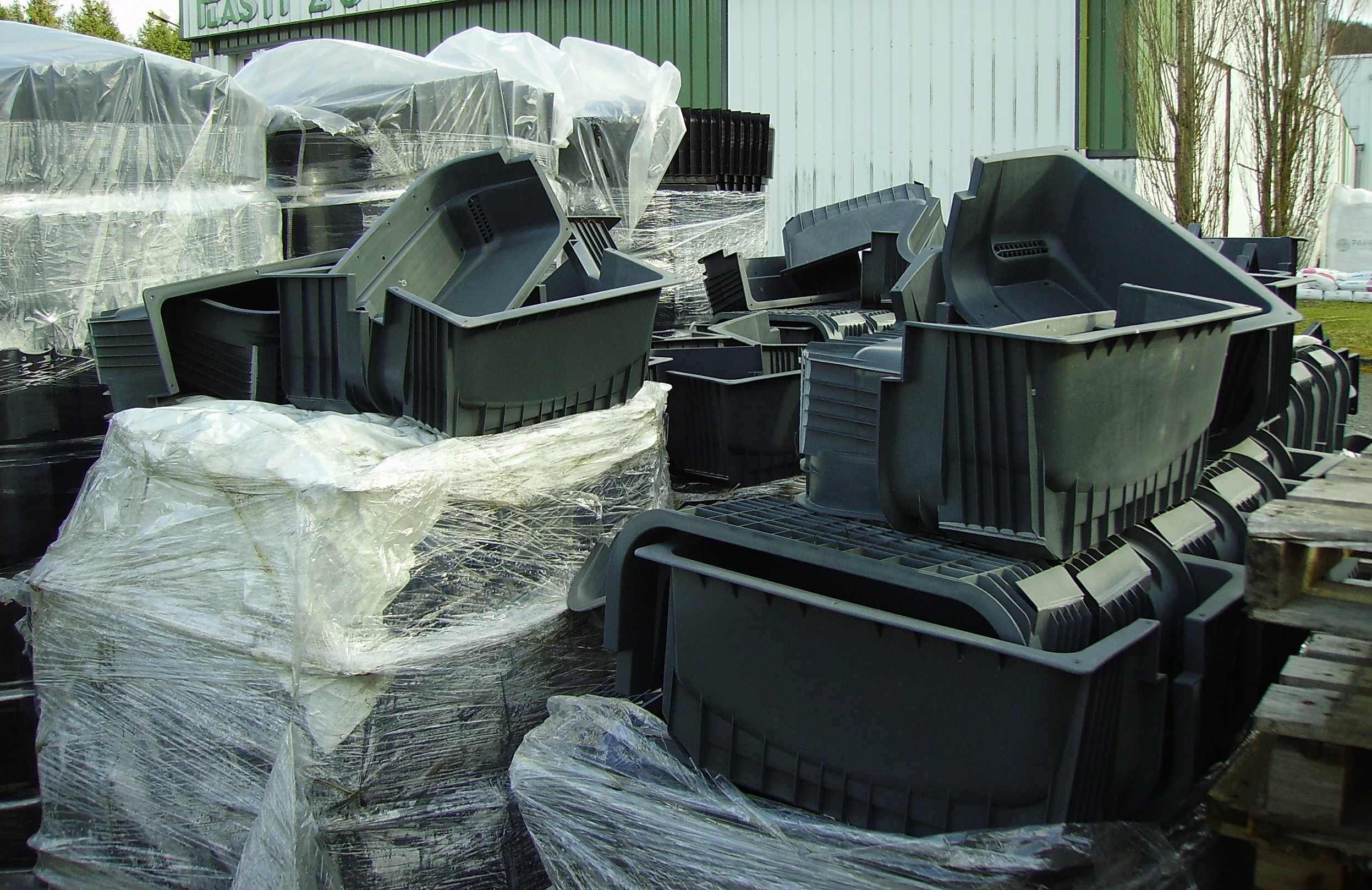
Recycled feedstocks introduce additional sources of variation. Control the contaminants and performance attributes that matter to the application rather than demanding impossible sameness.
Read insight
Electrical performance depends on the conductive network created by formulation and processing. Filler type or loading alone is not a complete specification.
Read insightEditorial focus
Substitution, requalification and controlled transitions.
Requirements, formulation tradeoffs and production readiness.
Material behavior in molding, extrusion and conversion.
Evidence built around application risk and approval.
Material requirements
Share the application, material, process and technical question.
Discuss a material requirement