A failed plastic part can implicate material selection, design, processing, assembly, environment or combinations of them. Starting with a favored cause risks turning the investigation into confirmation rather than analysis.
The first task is to preserve the failed condition and characterize how the part failed before deciding why.
Preserve the failure evidence
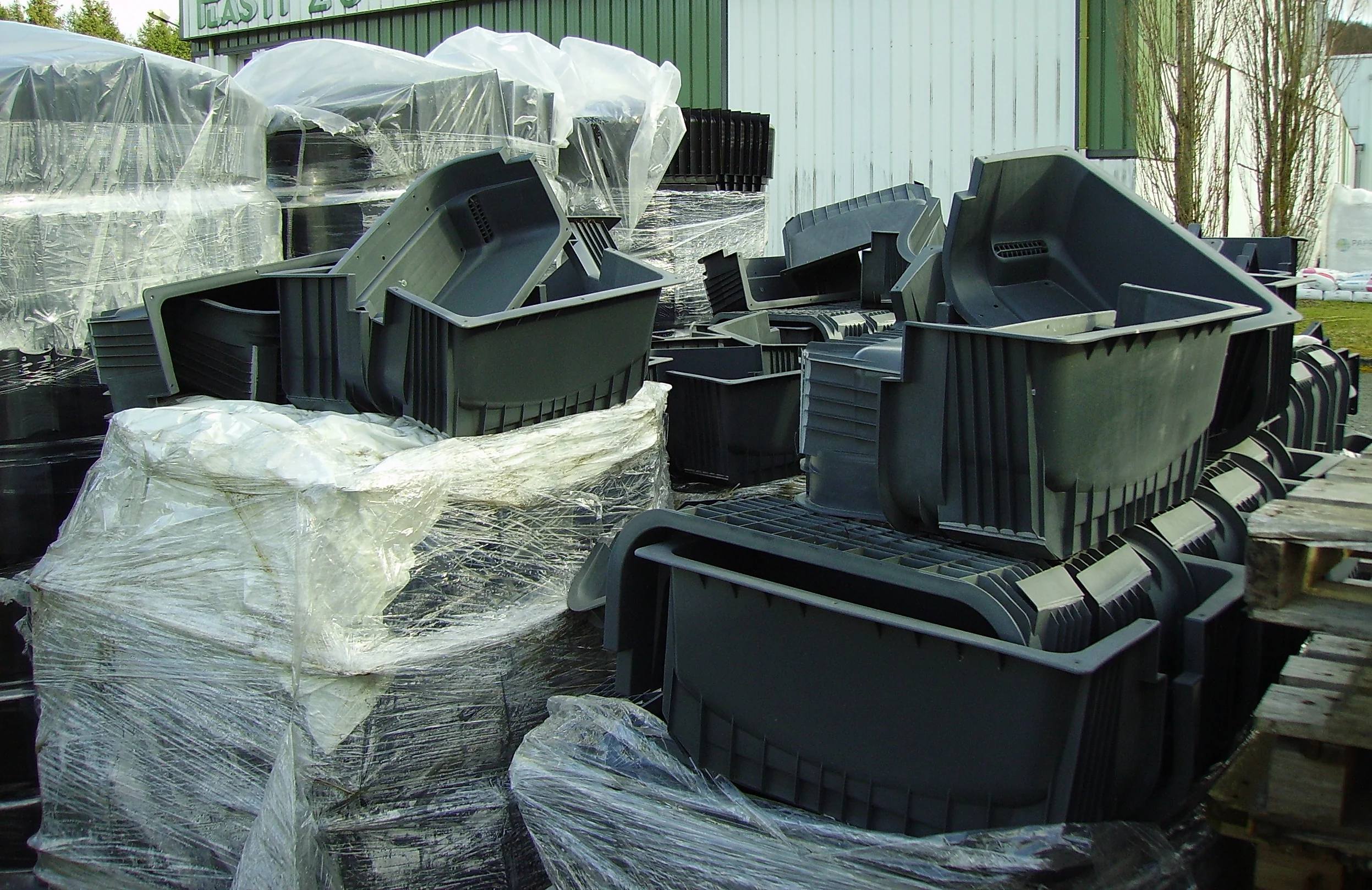
Retain failed parts, comparison parts, lot information, process history and service history. Avoid cleaning, cutting or mechanically altering fracture surfaces until the examination plan is defined.
Photograph the part and failure location in the as-received condition and document orientation relative to gates, weld lines, fasteners and applied loads.
Identify the failure mode
Distinguish fracture from yielding, creep deformation, fatigue, wear, environmental stress cracking, chemical attack, thermal degradation or another mechanism.
Macroscopic and microscopic fracture features can provide evidence about crack origin and propagation, but they should be interpreted with loading and service information.
Build competing hypotheses
Develop plausible causes across material, design, manufacturing and service rather than testing only the first theory.
A brittle-looking fracture, for example, can reflect material condition, stress concentration, low temperature, chemical exposure, high strain rate or aging; appearance alone does not assign root cause.
Choose analysis to discriminate between hypotheses
Use chemical, thermal, physical or microscopic methods when they can answer a specific question. Analytical testing can identify wrong material, contamination, inclusions, degradation or composition differences where those are credible mechanisms.
- Visual and optical examination
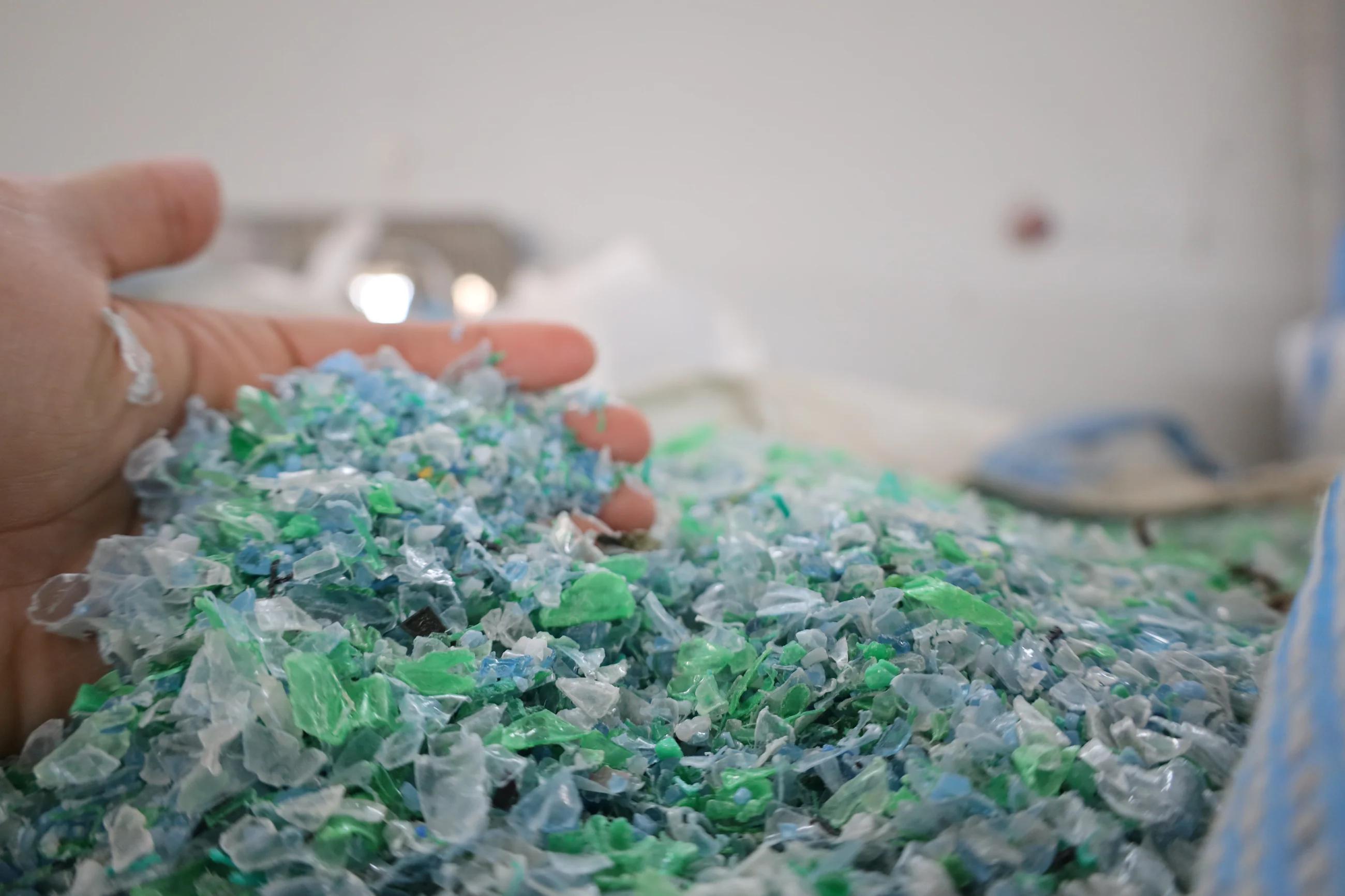
- Material identification
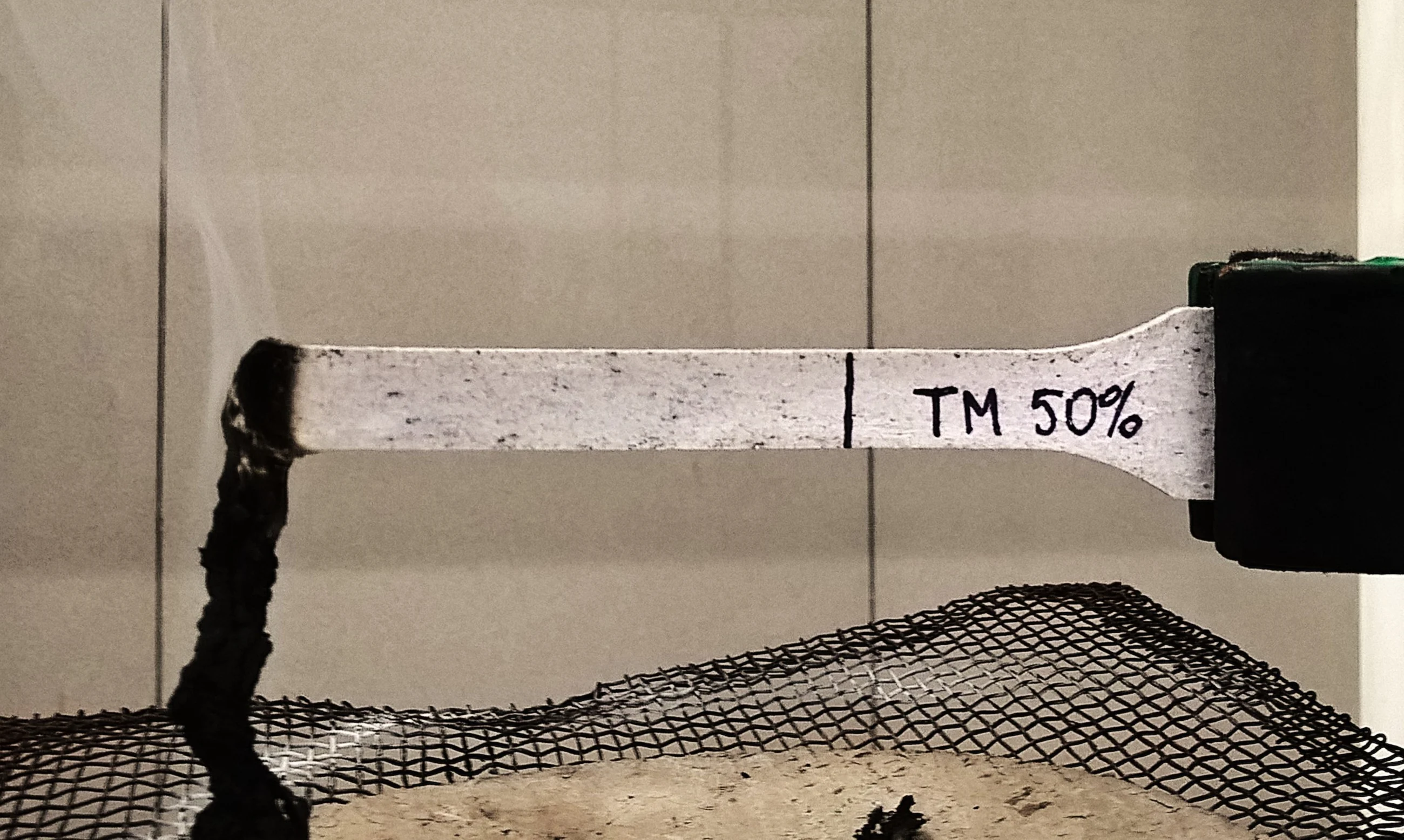
- Thermal analysis
- Microscopy and fractography
- Contamination analysis
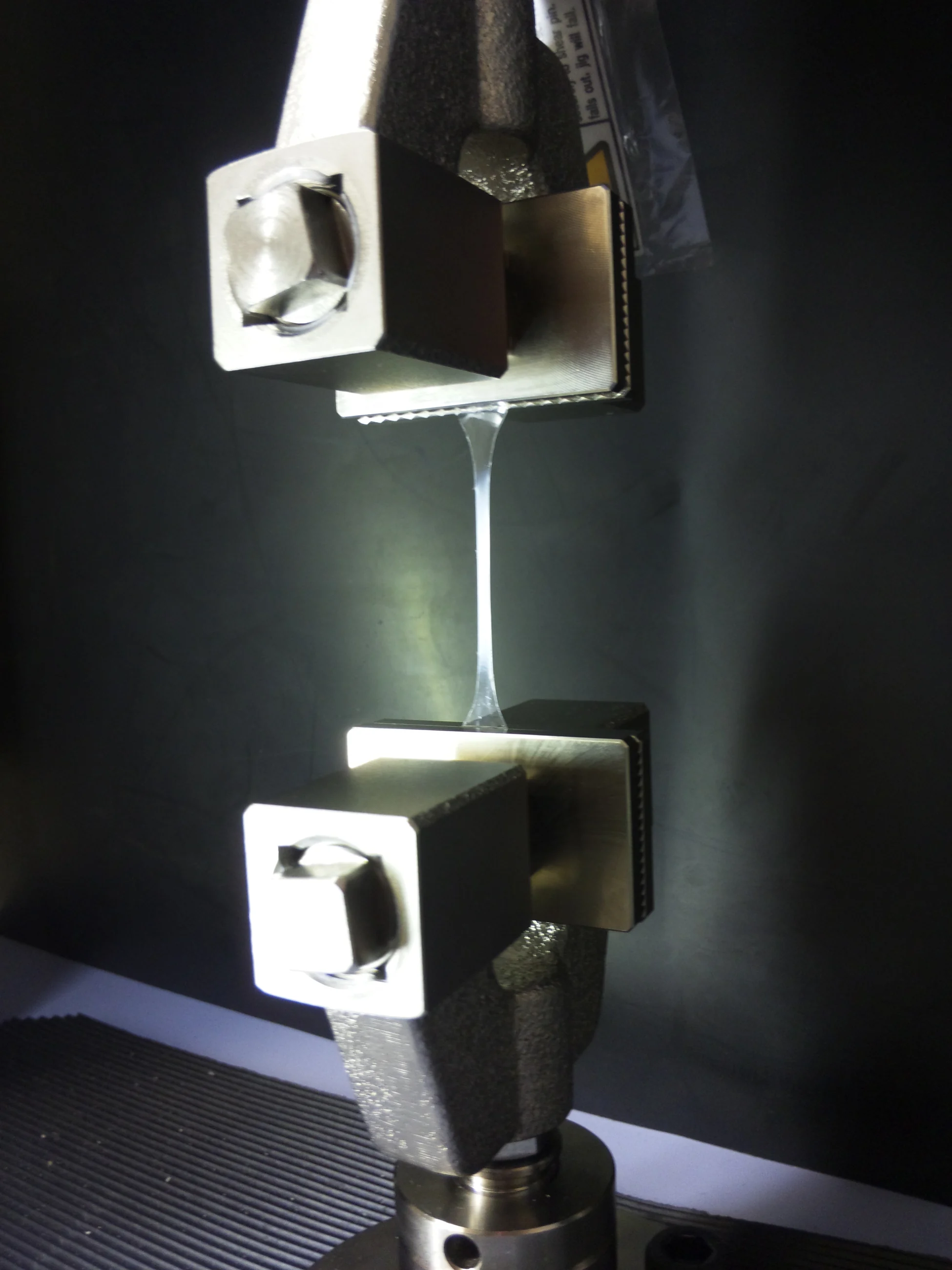
- Mechanical testing
Reconstruct cause and verify corrective action
Integrate fracture evidence, material characterization, process history, design stresses and service exposure into a causal sequence.
Where practical, reproduce the failure or demonstrate that the corrective action removes the mechanism before closing the investigation.
Technical references